🦋 Death in Love: When Endings Become Beginnings
Endings aren’t the enemy of love – they’re the moments when it’s reborn in truth. The Death card arrives to end what’s false, not what’s real. It teaches that love’s deepest renewal often begins right after we let something go.
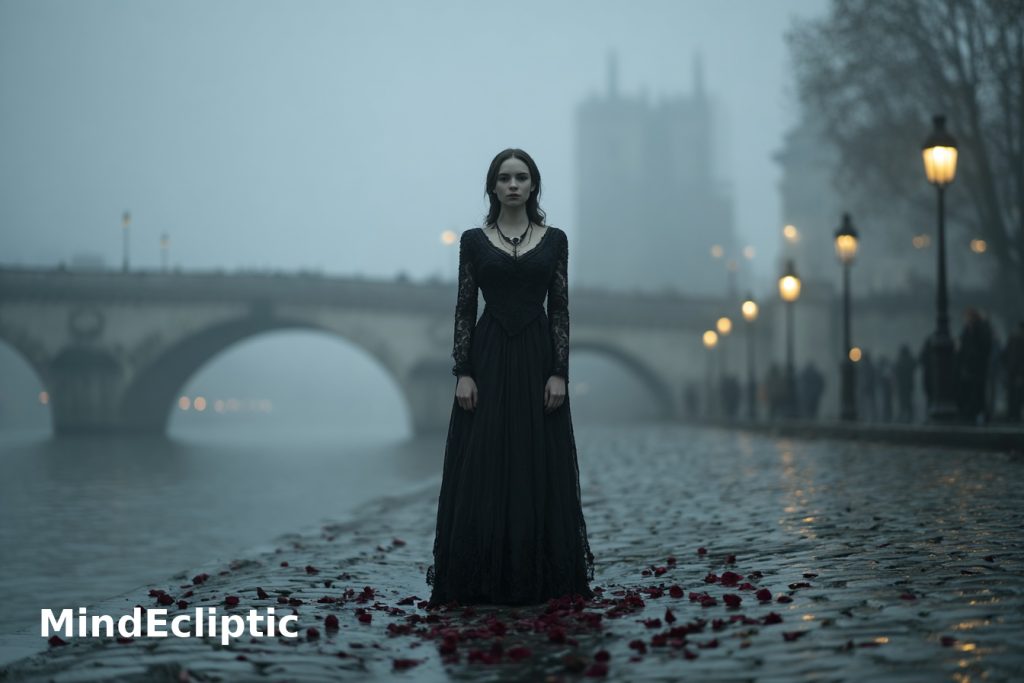
When the Death card enters a love reading, it rarely speaks of loss – it speaks of transformation. It’s the moment when a relationship, or your heart itself, reaches a turning point: what once worked no longer does, and what’s true must now emerge. This isn’t the death of love; it’s the death of illusion. Death arrives when the old emotional patterns crumble, clearing the space for honesty, renewal, and rebirth.
Let’s explore how this card reshapes love, from new attraction to long-term commitment, and how it can become one of the most liberating symbols in the entire Tarot.
🃏 Death in a Romantic Tarot Context
In romance, Death represents emotional evolution. It’s the moment when truth cuts through comfort, when love either deepens or dissolves. This card isn’t about destruction for its own sake – it’s about transformation, closure, and renewal. The archetype of Death is the Reborn Lover: someone who has walked through endings and come out wiser, more grounded, and ready to love authentically.
The energy of Death is quiet yet absolute. It asks: What must end for you to feel alive again in love? Sometimes that means shedding resentment or fear; other times, it means closing the door on a relationship that has already ended energetically. Death appears when the emotional truth can no longer be postponed. It’s the card of emotional purification – of endings that make new beginnings possible.
💘 Death in New or Potential Relationships
Bright Side
When Death shows up at the start of a relationship, it often indicates that one or both partners are in a phase of rebirth. Perhaps you’ve just left a past relationship behind, healed from heartbreak, or rediscovered your self-worth. In these moments, Death acts as an emotional reset. It removes what’s stale and invites sincerity.
This energy makes new love more conscious and mature. There’s little room for games or illusions; the attraction is honest, sometimes even raw. The connection feels fated, because both people have already learned the cost of pretending. This card favors relationships that begin after a life change – divorce, personal loss, or spiritual awakening. Love under Death’s influence is stripped of pretense and filled with depth.
Shadow Side
However, Death can complicate new love when the past isn’t truly released. You may think you’re ready, but emotionally, you’re still entangled with old memories. Sometimes, Death appears when someone seeks love to escape grief instead of facing it. This can create a dynamic where one partner becomes the “healer” while the other resists closure.
If this card surfaces early in a relationship, it’s asking you to pause: Are you opening your heart because you’ve healed or because you can’t bear to be alone? True rebirth demands solitude before union. Otherwise, you risk building something new on the bones of what hasn’t yet been buried.
💍 Death in Long-Term or Committed Relationships
Positive Aspects
In established love, Death is not a threat – it’s a teacher. It signals a period of necessary transformation, when partners must evolve together or risk emotional stagnation. This could mean renewing your vows, redefining your shared goals, or finally addressing long-avoided truths.
Death invites couples to release resentment, forgive past wounds, and rebuild the relationship from a place of honesty. After the storm, intimacy becomes deeper and more real. Many relationships emerge stronger after this passage, because they’ve shed their masks and learned to meet again, not as who they were, but as who they’ve become.
Challenging Aspects
When resisted, Death becomes painful. It can mark the slow decay of a bond that neither partner wants to acknowledge. One person might cling to the comfort of the familiar, even if it’s lifeless. Another might act impulsively, ending things in frustration rather than reflection.
This card warns against confusing endurance with growth. Sometimes the hardest truth in love is recognizing that something has finished. In other cases, it calls for deep repair, but only if both are willing to let the old relationship “die” so a truer one can be born. Death doesn’t always separate people; it separates illusion from truth.
⚠️ Pitfalls and Shadow Side of Death in Love
- Resistance to change: Clinging to what no longer nourishes love, refusing to face transformation.
- Emotional void: Feeling empty after endings and mistaking grief for failure.
- Impulsive breakups: Acting out of pain or fear, not clarity.
- Attachment to the past: Replaying old love stories and idealizing what’s gone.
- Martyrdom in love: Sacrificing yourself to keep a relationship alive.
- Fear of letting go: Postponing necessary closure to avoid facing loss.
🔗 Key Combinations: Death with Other Cards in Romance
Death + The Lovers – A moment of emotional truth. This combination represents a turning point where two people must choose whether to evolve together or part ways. It’s the card of conscious love — staying because you’ve changed, not because you can’t leave.
Death + The Tower – A radical ending that clears the slate. This pairing often marks sudden separations or emotional revelations that destroy illusions but pave the way for healing. It’s painful, but purifying. Also remember that the Tower represents a sudden crisis caused by external circumstances or information about them. Death is a natural transformation. Combined, these cards indicate a profound external and internal reset of the relationship – the couple will either break up for good or be reborn from the ashes on a completely different level.
Death + The Star – Healing after heartbreak. After deep loss or transformation, this combination signals hope returning, a new emotional beginning built on authenticity.
🎭 Real-Life Examples: Death in Action
1. The End That Brought Clarity. After six years together, Claire and Antoine realized they had become more like co-workers than lovers. The Death card appeared in her reading as a call for truth. Within months, they parted peacefully, only to reconnect later as creative collaborators. Their love transformed – it didn’t vanish.
2. Rebirth After a Breakup. Lucia pulled Death after her divorce. She feared it meant loneliness, but it simply meant healing. Instead of rushing into new love, she took a year to rediscover herself. When she met Marc, she was grounded, open, and emotionally free. The new relationship flourished precisely because she had allowed the old one to end.
3. Refusing the Ending. Émile couldn’t accept that his long-distance relationship was over. He reread old messages, replayed memories, and tried to “keep it alive.” Death appeared as an invitation to grieve what was gone. Only when he finally let go did life – and new love – begin to move again.
💡 Advice and Takeaway: What Death Wants You to Know About Love
- Endings are sacred: They make space for truth and renewal.
- Letting go is an act of love: Release what no longer supports your growth.
- Transformation is love’s deepest rhythm: To change is to remain alive.
- Grief is not weakness: It’s the doorway to emotional freedom.
- Rebirth always follows surrender: Every closure is a seed for something new.
Death in love is never the villain. It’s the alchemist of the heart – turning loss into wisdom, endings into clarity, and heartbreak into strength. It reminds us that love’s truest form isn’t possession, but transformation. When you stop resisting what has ended, something astonishing happens: you start living, and loving, with your whole self again.
📌 This article is part of the MindEcliptic.com Romantic Tarot series (AvaRomance). For more on Tarot archetypes and relationship wisdom, explore our other card guides and share your own Death stories in the comments below.
—
If this article was helpful and you’d like to say thank you, you can buy me a coffee here.
Pingback: 🎡 The Wheel of Fortune in Love: When Fate Spins Your Heart - MindEcliptic
Pingback: ⚡The TowerTower Card in Love Readings: What Its Shocking Energy Says About Your RelationshipThe Tower - MindEcliptic