⚔️ Eight of Swords in Love Meaning: Trapped by Fear or Your Own Mind?
You feel stuck… but nothing is physically holding you there. The relationship isn’t necessarily over, yet you can’t move forward either. In this article, we will explore how the Eight of Swords reveals emotional traps, fear-based thinking, and the hidden path to freedom in love.
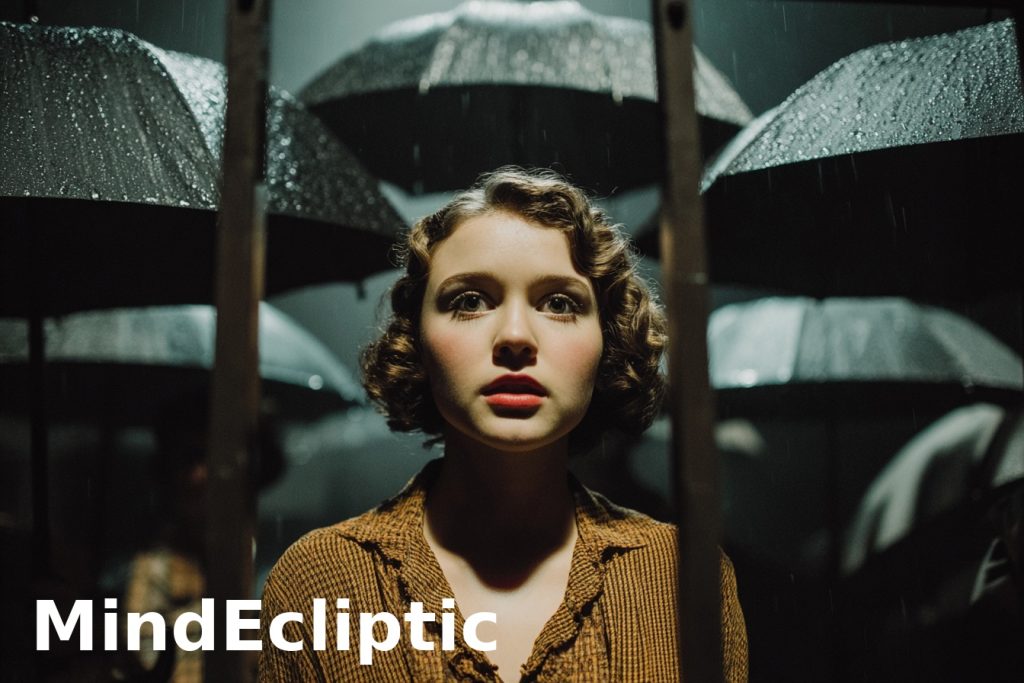
When the Eight of Swords appears in a love reading, it points to a painful state: feeling trapped, powerless, and unable to act. Has the Eight of Swords shown up in your reading? Then the situation may feel impossible, but the real limitation is often internal, not external. This card represents a psychological cage. It speaks of fear, anxiety, emotional dependency, and overthinking. In love, it often appears when someone feels stuck in a relationship, unable to leave, unable to change things, and unable to see a way forward.
At its highest expression, the Eight of Swords brings awareness. It helps you recognize your own patterns, fears, and limiting beliefs, and begin to break free from them. Let’s explore how this card shapes love, from early emotional patterns to deeply rooted relationship dynamics.
🃏 Eight of Swords in a Romantic Tarot Context
The Eight of Swords embodies the archetype of the captive mind. This is not a situation of real imprisonment, it is a state where thoughts, fears, and internal narratives create the illusion of being trapped. In love, this card represents restriction, but not always imposed by the partner. More often, it reflects self-limitation: fear of loss, fear of conflict, fear of making the wrong choice.
At its highest expression, this card reveals awareness. It shows the moment when a person begins to understand that their limitations are not absolute, that they have more power than they believed.
At its shadow, it represents paralysis. Overthinking replaces action. Anxiety replaces clarity. The person remains in a situation not because they must, but because they believe they cannot leave. This card often appears in relationships defined by emotional dependency, fear-based attachment, indecision, and internal pressure.
💘 Eight of Swords in New or Potential Relationships
At the beginning of love, the Eight of Swords introduces hesitation and internal tension.
Bright Side
• Awareness of inner blocks: Recognizing fears, patterns, and emotional defense mechanisms.
• Cautious approach: Taking time before making serious emotional commitments.
• Pause for reflection: Choosing to think before acting impulsively.
• Identifying toxic patterns: Seeing repeating dynamics such as dependency or fear of closeness.
• Understanding anxiety: Differentiating between real issues and imagined fears.
• Breaking self-deception: Gradually seeing the situation more clearly.
• Emotional responsibility: Recognizing one’s own role in the dynamic.
• Beginning of inner liberation: Realizing that change is possible.
Shadow Side
• Feeling trapped early: Even at the start, the connection feels limiting or confusing.
• Fear of loss: Attachment forms quickly, driven by anxiety.
• Overthinking: Constant analysis, doubt, and worst-case scenarios.
• Inaction: No decisions are made, even when necessary.
• Emotional dependency: Self-worth becomes tied to the partner.
• Self-restriction: Avoiding expressing feelings or needs.
• Victim mindset: Feeling powerless within the dynamic.
• Fear of honest conversation: Avoiding vulnerability and truth.
• Indecision: Staying in unclear dynamics without resolution.
• Suppressed emotions: Feelings are held back due to fear.
• Isolation: Feeling alone even within the connection.
• Psychological pressure: Feeling controlled or limited.
• Illusion of no way out: Believing there are no options.
• Fear of change: Preferring discomfort over uncertainty.
💍 Eight of Swords in Long-Term or Committed Relationships
In established relationships, this card signals a deeper internal crisis.
Positive Aspects
• Recognition of unhealthy patterns: Seeing the dynamic clearly.
• Emotional awareness: Understanding personal fears and reactions.
• Pause for reevaluation: Taking time to reflect before acting.
• Identifying dependency: Realizing where emotional reliance has become unhealthy.
• Breaking illusions: Seeing the relationship without justification.
• Inner responsibility: Acknowledging one’s role in the situation.
• Potential for growth: Awareness as the first step toward change.
• Reclaiming control: Beginning to see that choices exist.
Challenging Aspects
• Emotional trap: Feeling unable to leave or change the situation.
• Fear of losing the relationship: Staying despite pain.
• Anxiety-driven thinking: Constant worry, doubt, and mental pressure.
• Passivity: No action due to belief that nothing will change.
• Emotional dependency: Partner becomes the source of stability.
• Self-limitation: Suppressing needs, desires, and truth.
• Victim role: Feeling controlled by the relationship.
• Avoidance of confrontation: Fear of honest dialogue.
• Indecision: Prolonging the situation without resolution.
• Suppressed emotions: Internal tension grows over time.
• Loneliness within the relationship: Feeling disconnected.
• Psychological pressure: Control, manipulation, or perceived restriction.
• Illusion of hopelessness: Believing the situation cannot improve.
• Fear of change: Remaining in the known, even if painful.
⚠️ Pitfalls and Shadow Side of Eight of Swords in Love
• Mental prison: Feeling trapped by thoughts rather than reality.
• Avoidance: Not acting due to fear of consequences.
• Avoidance of responsibility: Waiting instead of choosing.
• Avoidance of resolution: Problems remain unaddressed.
• Emotional dependency: Losing autonomy in the relationship.
• Overthinking: Paralysis through analysis.
• Self-silencing: Not expressing truth or needs.
• Victim mindset: Believing there is no power to change.
• Isolation: Emotional loneliness despite being together.
• Psychological pressure: Feeling controlled or restricted.
• Fear-based decisions: Acting from anxiety, not clarity.
• Illusion of no exit: Believing freedom is impossible.
🔗 Key Combinations: Eight of Swords with Other Cards in Romance
Eight of Swords + The Lovers. A painful state of indecision. This combination often reflects a situation where a person feels emotionally trapped between two choices, staying or leaving, one partner or another, truth or fear. Instead of making a conscious decision, they remain stuck, overthinking and delaying action. It can also indicate a relationship where love exists, but fear, dependency, or internal conflict prevents it from developing freely. The connection becomes a mental dilemma rather than an emotional flow.
Eight of Swords + The Devil. Deep emotional dependency. Fear and attachment reinforce each other, creating a cycle that feels impossible to break. This combination often points to a relationship where one person feels bound by obsession, control, or unhealthy attachment patterns. The sense of being trapped intensifies, not because there is no way out, but because emotional dependence overrides rational choice.
Eight of Swords + The Moon. Anxiety and illusion. Thoughts become distorted, fears intensify, and clarity becomes harder to access. This combination amplifies overthinking, insecurity, and emotional confusion, where imagined scenarios begin to feel like reality. It can also indicate self-deception, a state where the person cannot clearly distinguish between intuition and fear-driven projections.
Eight of Swords + The Tower. Breaking the cage. A sudden event forces change, shattering the illusion of being stuck and pushing the person to act. What was avoided or feared can no longer be postponed. This combination often brings a crisis that liberates through disruption, a breakup, revelation, or emotional shock that finally breaks the mental paralysis and creates movement.
🎭 Real-Life Examples: Eight of Swords in Action
Laura stayed in a relationship that no longer made her happy. She knew it, felt it, but every time she thought about leaving, fear took over. Fear of being alone, fear of regret. The door was open, but she couldn’t walk through it.
Daniel loved his partner, but constantly felt anxious. He overanalyzed every message, every tone, every silence. The relationship wasn’t toxic, but his mind made it feel like a constant threat.
Nina felt controlled by her partner’s expectations. Over time, she stopped expressing her needs, stopped speaking openly. She felt trapped, until she realized she had been silencing herself all along.
💡 Advice and Takeaway: What the Eight of Swords Wants You to Know About Love
• Question your thoughts: not all of them are truth.
• Recognize your patterns: awareness changes everything.
• Speak your needs: silence strengthens the cage.
• Take small actions: movement creates clarity.
• Choose courage over fear: even one step matters.
The Eight of Swords reminds you: you are not as trapped as you think, you have placed yourself in a mental cage built from fear, doubt, and overthinking. The situation may feel impossible, but perception is not reality.
Sometimes the door is not locked. You have simply convinced yourself not to open it.
📌 This article is part of the MindEcliptic.com Romantic Tarot series (AvaRomance). For more on Tarot archetypes and relationship wisdom, explore our other card guides and share your own Eight of Swords stories in the comments below.
—
If this article was helpful and you’d like to say thank you, you can buy me a coffee here.